Transitioning Your Pet to Raw Food
by admin in Pet Care Basics 122 - Last Update December 4, 2025
I\'ll be honest, the idea of transitioning my dog to a raw food diet felt overwhelming at first. I\'d read so much online, from glowing testimonials to dire warnings, and it was hard to know where to start. For years, I stuck with high-quality kibble because it was easy and felt safe. But after seeing my older dog struggle with skin issues and low energy, I decided it was time to take the plunge. The journey wasn\'t perfect, but what I learned along the way completely changed how I think about pet nutrition.
Why a slow transition is my golden rule
When I first started, a friend told me to just switch \'cold turkey.\' I tried it for a day, and the result was a very unhappy dog with an upset stomach. That was my first big lesson: their digestive systems are used to one thing, and a sudden, drastic change can be a shock. A slow, gradual transition allows their gut microbiome to adapt, minimizing digestive upset and making the entire process less stressful for both of you. It’s not a race, and patience is truly your best friend here.
The gradual mix-in method
I found the most success by slowly introducing the new raw food as a small part of their existing meal. This method seems to work wonders, especially for pets with sensitive stomachs. You simply start by replacing a tiny portion of their old food with the new raw food and gradually increase the ratio over a week or two. It gives them time to get used to the new taste and texture without overwhelming their system.
My step-by-step transition plan
After my initial fumble, I developed a simple plan that has worked for all my pets since. It\'s a gentle approach that prioritizes their comfort.
- Days 1-3: Start with a ratio of 75% old food and 25% new raw food. Mix it thoroughly. For my cat, I had to make sure the new food was at room temperature to make it more appealing.
- Days 4-6: If all is well (meaning, normal stools!), move to a 50/50 mix. Keep a close eye on your pet\'s energy levels and appetite.
- Days 7-9: Time to shift the balance to 25% old food and 75% new raw food. By this point, my dog was actively picking out the raw bits first!
- Day 10 and beyond: If the transition has been smooth, you can now feed 100% raw food. Congratulations, you did it!
What to watch for during the switch
Your pet will give you signals. The most important thing to monitor is their stool. It should remain firm. A little softness can be normal, but diarrhea means you should slow down the transition and go back to the previous ratio for a few more days. Also, watch their coat, skin, and overall energy. Positive changes in these areas were the biggest sign that I was on the right track.
A word of caution and encouragement
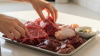
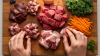
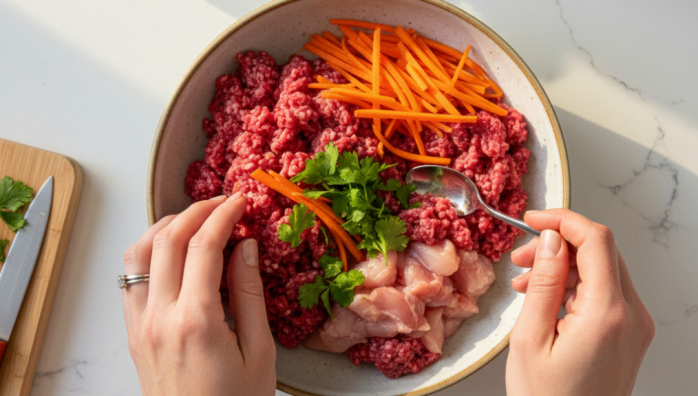
One of the biggest hurdles is getting the nutritional balance right. A diet of just muscle meat is not complete. The BARF (Biologically Appropriate Raw Food) model includes muscle meat, bones, organs, and sometimes vegetables. It took me a while to get comfortable with this. My breakthrough came when I finally sat down with a veterinary nutritionist. While I\'ve shared what worked for me, every pet is an individual. I always, always recommend having a conversation with your vet or a certified pet nutritionist before making any significant dietary changes. They can help you create a balanced plan that’s perfect for your pet\'s specific needs.