Safe Meat Sourcing for BARF Diets
by admin in Pet Care Basics 222 - Last Update December 4, 2025
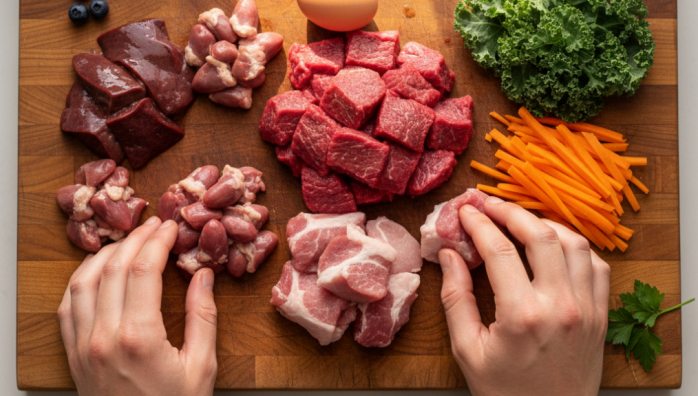
When I first decided to transition my dog to a Biologically Appropriate Raw Food (BARF) diet, I was filled with a mix of excitement and, honestly, a good deal of anxiety. The biggest question looming in my mind was: where do I get the meat? It felt like a huge responsibility, and the fear of getting it wrong was very real. Over the years, I\'ve developed a system that gives me peace of mind, and I wanted to share what I\'ve learned about sourcing meat safely and confidently.
Why meat quality is non-negotiable for me
For me, the whole point of raw feeding is to provide the highest quality nutrition possible. Sourcing poorly handled or low-quality meat defeats that purpose and can introduce risks like harmful bacteria (like Salmonella or E. coli) and parasites. It\'s not about being perfect, but about being diligent. I learned early on that the health of my pets is directly linked to the quality of the ingredients I put in their bowl. It\'s the foundation of the entire diet.
My go-to sources for safe raw meat
Finding a reliable source isn\'t a one-size-fits-all solution. It took me some trial and error to find a rotation of suppliers I trust. Here are the types of places that have consistently worked for me and my pack.
The local butcher I trust
Building a relationship with a local, independent butcher has been a game-changer. Unlike a supermarket meat counter, a good butcher knows exactly where their meat comes from. I started by just asking questions: \'Do you grind your own meat?\' \'Do you have organ meats or less common cuts?\' \'Can you tell me about the farms you source from?\' A butcher who is passionate about their craft is usually happy to talk and can become an incredible resource. They often have access to things like green tripe, hearts, and livers that are nutritional gold for our pets.
Reputable online raw pet food suppliers
There are now many companies that specialize in pre-made or custom raw meals for pets. The convenience is undeniable, especially when I\'m short on time. What I look for here is transparency. A trustworthy company will be open about their sourcing, their safety protocols (like High-Pressure Processing or HPP), and their nutritional analysis. I always check their website for this information before placing an order. While I prefer to make my own blends, these suppliers are an excellent and safe starting point for beginners.
Farmers\' markets and co-ops
For finding high-quality, pasture-raised, or organic options, nothing beats a local farmers\' market or joining a meat co-op. I can speak directly to the farmer who raised the animal. This direct connection gives me incredible confidence in the quality and ethical standards of the meat. It\'s often more affordable to buy in bulk this way, too, which is a big help.
Red flags I\'ve learned to watch out for
Just as important as knowing where to look is knowing what to avoid. I\'ve learned to steer clear of a few things:
- Discounted supermarket meat: Meat that\'s marked down for quick sale is often nearing its expiration date. While it might be fine for cooking, I don\'t take the risk for raw consumption.
- Unknown sources online: I\'m very wary of individuals selling unlabeled or unverified raw pet food on social media or classified sites. There\'s no way to know their handling practices or sourcing.
- Freezer-burned or discolored meat: This is a clear sign of poor handling or that the meat has been frozen for too long, potentially compromising its nutritional value and safety.
Ultimately, my journey into sourcing for a BARF diet has been about building trust and asking questions. It’s an ongoing process of learning. Taking these extra steps ensures I\'m feeding a diet that is not only biologically appropriate but also safe. As always, this is based on my personal experience, and I highly recommend discussing any major dietary changes with your veterinarian to ensure it\'s the right path for your specific pet.