Safe Tooth Brushing for Cats and Dogs
by admin in Pet Care Basics 124 - Last Update November 29, 2025
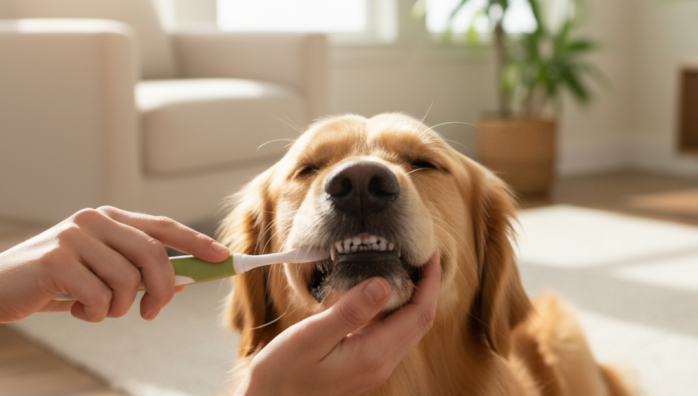
I\'ll be honest, for years I put off brushing my dog\'s teeth. I figured a few dental chews here and there were enough. That is, until a routine vet check-up where the vet gently pointed out the significant tartar buildup and gum inflammation. The thought that my best friend might be in pain without me knowing was a real wake-up call. It sent me down a path of learning, trial, and error to figure out a brushing routine that was not only effective but also something my pets wouldn\'t dread. It turns out, it\'s less about force and more about finesse and patience.
Why i finally took pet dental care seriously
That conversation with my vet was a turning point. I learned that poor dental hygiene isn\'t just about bad breath; it can lead to serious health issues. Periodontal disease can cause pain, tooth loss, and the bacteria can even travel to vital organs like the heart and kidneys. I realized that brushing their teeth isn\'t a chore; it\'s a fundamental part of their healthcare, just like walks and proper nutrition. It’s one of the most proactive things I can do to ensure they live a long, comfortable life.
Gathering the right tools for the job
My first mistake was thinking I could just grab any old brush. The right tools make all the difference. Here’s what I’ve found works best after a lot of experimentation:
- Pet-Specific Toothpaste: This is non-negotiable. Human toothpaste contains ingredients like xylitol and fluoride which are toxic to both dogs and cats. Pet toothpaste is safe to swallow and comes in flavors they actually enjoy, like poultry or beef. This simple switch turned brushing from a fight into a treat.
- The Right Brush: I started with a silicone finger brush. It’s less intimidating than a long-handled brush and allowed my dog and cat to get used to the feeling of something in their mouth. Once they were comfortable, I graduated to a small, soft-bristled toothbrush designed for pets, which offers a more thorough clean. For my cat, I often still use the finger brush as it\'s less intrusive.
For dogs: making it a positive routine
With my dog, I turned it into a game. I started by just letting him lick the toothpaste off my finger for a few days. Then, I put it on the finger brush and let him lick that. The next step was to gently rub the brush on a few of his front teeth for just a few seconds, followed immediately by praise and a favorite treat. We slowly built up the time and the number of teeth until we could do a full, quick brush. The key was keeping it short, positive, and ending before he got fussy.
For cats: the art of patience and persuasion
Cats, as many of us know, are a different story. My cat was much more suspicious. The approach had to be even slower. It took a week of just letting her sniff the toothpaste. Then another week of me gently touching her mouth and lips while giving her praise. I found the best time was when she was already relaxed and sleepy. I’d use the finger brush with a tiny bit of paste on one or two teeth, and that was it for the day. Consistency over quantity was my mantra. It’s a slow process, but forcing it just creates a negative association you’ll never overcome.
Common mistakes i learned to avoid
I definitely made some mistakes along the way. My biggest error was trying to do too much, too soon. I once tried to brush all of my dog’s teeth on the second day, which just scared him and set us back a week. I also learned not to restrain them forcefully. Creating a calm, voluntary experience is crucial. It’s better to get a quick, happy 30-second brush done three times a week than to have a five-minute battle once a month. Remember to focus on the outside of the teeth, as that\'s where most tartar accumulates.
When brushing needs backup
Brushing is the gold standard, but it\'s not the only tool. I supplement our routine with vet-approved dental chews and sometimes a water additive. However, these are aids, not replacements for the mechanical action of brushing. And importantly, at-home care doesn\'t replace the need for professional veterinary dental cleanings, especially as our pets age. This is just my experience, and I always recommend discussing your pet\'s specific dental plan with your veterinarian to find what\'s best for them.