Recognizing Gum Disease Signs in Pets
by admin in Pet Care Basics 147 - Last Update December 2, 2025
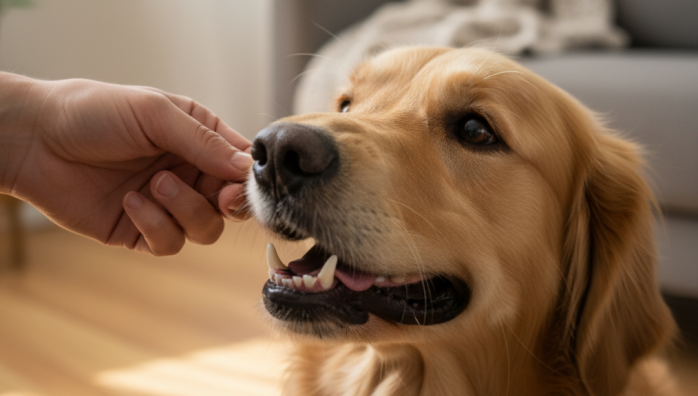
For years, I just accepted that my dog had \'doggy breath.\' I\'d joke about it, buy him dental chews, and assume it was just a normal part of life with a canine companion. It wasn\'t until a routine vet visit for my older cat that the vet gently lifted her lip and said, \'We need to talk about what\'s happening in here.\' That was my wake-up call. I realized I had been overlooking some of the most critical signs of discomfort in my pets, simply because I didn\'t know what to look for. That experience completely changed how I approach my pets\' wellness.
Why \'just bad breath\' is a myth
That distinctive, unpleasant odor we often dismiss is technically called halitosis, and it\'s one of the earliest and most common signs of dental problems. It\'s caused by bacteria building up on the teeth and gums. In my experience, ignoring this is like ignoring the smoke alarm because you don\'t see flames yet. The bacteria don\'t just cause a bad smell; they kickstart a cascade of inflammation and infection that leads to periodontal disease.
The silent progression of dental disease
What I learned from my vet is that gum disease happens in stages. It starts as invisible plaque, which hardens into tartar (that yellow-brown stuff you can see). This tartar irritates the gums, causing gingivitis – the first stage of gum disease. The gums get red and swollen. If left untreated, it progresses to periodontitis, where the infection gets below the gum line, destroying tissue and bone. It’s a painful, silent process that our pets are incredibly good at hiding.
The key signs I now check for weekly
After my eye-opening vet visit, I developed a simple weekly checklist. It takes just a minute per pet and has given me so much peace of mind. Here’s what I look for now:
- Persistent Bad Breath: I\'m not talking about what their breath smells like right after a fishy treat. This is a consistent, foul odor that makes you recoil when they yawn in your face.
- Red, Swollen, or Bleeding Gums: Healthy gums should be a firm, bubblegum-pink color (though some breeds have natural black pigmentation). I gently lift their lips to look for any angry redness right where the tooth meets the gum.
- Changes in Eating or Chewing: Have they suddenly gone off their hard kibble? Do they chew only on one side of their mouth or drop food? I once noticed my dog yelping softly when his favorite chew toy hit a certain tooth. That was a huge red flag.
- Pawing at the Mouth or Excessive Drooling: If your pet is suddenly drooling more than usual or seems to be bothered by their mouth, they\'re trying to tell you something hurts.
- Visible Yellow-Brown Tartar: I pay close attention to the back molars and canine teeth, as this is where I first noticed the crusty buildup on my own dog.
How to make at-home checks a positive experience
Most pets aren\'t thrilled about you poking around in their mouths. I learned to make it a calm, positive routine. I\'ll sit on the floor with them, get some good scratches going, and then gently lift their lip for just a second or two, followed by a treat and praise. Starting this when they\'re young helps, but even older pets can learn to tolerate it. The key is to be gentle and patient.
When it\'s time to call the professional
If I see any of the signs I listed above, I don\'t wait. These aren\'t issues that resolve on their own. While my at-home checks are great for early detection, only a veterinarian can properly diagnose and treat dental disease. This is just what I\'ve learned from my own journey as a pet owner, and I always recommend having a conversation with your vet to create the best dental care plan for your furry family member. They can perform a thorough exam and professional cleaning that is essential for long-term health.