Basic BARF Diet Ingredients
by admin in Pet Care Basics 143 - Last Update December 5, 2025
When I first decided to transition my dog to a raw diet, I felt like I was standing at the bottom of a mountain. The acronym BARF (Biologically Appropriate Raw Food) was everywhere, but the sheer volume of information on ratios and ingredients was overwhelming. Honestly, it took me a while to realize it\'s all about getting back to basics. I learned that by understanding just a few core components, I could build a healthy, balanced meal with confidence.
The core components: what actually goes in the bowl?
At its heart, the BARF model tries to mimic a wild canine\'s diet. It’s not just about throwing some raw meat in a bowl; it’s about creating a balanced ecosystem of nutrients. After a lot of trial and error (and a few helpful chats with my vet), I\'ve settled on a framework that makes meal prep simple. It all boils down to a few key ingredient categories.
Raw meaty bones (RMBs)
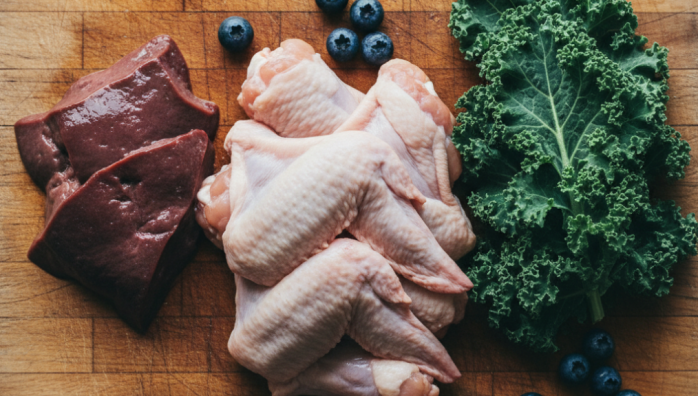
This is the foundation of the diet, and it was the part that scared me the most at first. But RMBs are a non-negotiable. They are the primary source of calcium and phosphorus, which are crucial for bone health. They also provide an incredible workout for the jaw and naturally clean your dog\'s teeth. I learned quickly to choose bones that are size-appropriate for my dog to avoid any choking hazards.
- Examples: Chicken wings, turkey necks, duck feet, lamb ribs.
- Important Note: Never, ever feed cooked bones. They become brittle and can splinter, causing serious internal injury.
Muscle meat
This is the main source of protein, amino acids, and essential fatty acids. It typically makes up the largest portion of the meal, aside from the RMBs. I try to rotate the protein sources to ensure a wide range of nutrients. Sticking to one protein for too long can sometimes lead to sensitivities, so variety has been key for us.
- Examples: Lean ground beef, chicken breast, turkey thigh, lamb chunks, fish (like salmon or sardines, in moderation).
Organs (the nutrient powerhouse)
I think of organs as nature\'s multivitamin. They are incredibly nutrient-dense, packed with vitamins and minerals you won\'t find in the same concentrations in muscle meat. Liver is the most important organ to include, but variety is also great here. A word of caution: organs are very rich, so I had to introduce them slowly to avoid an upset stomach for my dog.
- Liver: Rich in Vitamin A. This should be about 5% of the total diet.
- Other Secreting Organs: Kidney, spleen, and pancreas provide different essential nutrients. These should make up another 5%.
Fruits and vegetables
This is a debated topic in some raw feeding circles, but I’ve found that including a small amount of puréed fruits and veggies provides beneficial antioxidants, phytonutrients, and fiber. The key is to blend or lightly steam them, as a dog’s digestive system isn’t designed to break down the cellulose in plant cell walls effectively on its own.
- Good choices: Spinach, kale, broccoli, blueberries, and pumpkin purée.
Building a BARF meal went from being a daunting task to a rewarding part of my routine. Starting with these basic ingredients gave me the foundation I needed. Remember, this is just what worked for my dog, and I always recommend chatting with your vet or a canine nutritionist to tailor a plan that\'s perfect for your pet\'s unique needs.