Safe Indoor Plants for Cats and Dogs
by admin in Pet Care Basics 116 - Last Update November 28, 2025
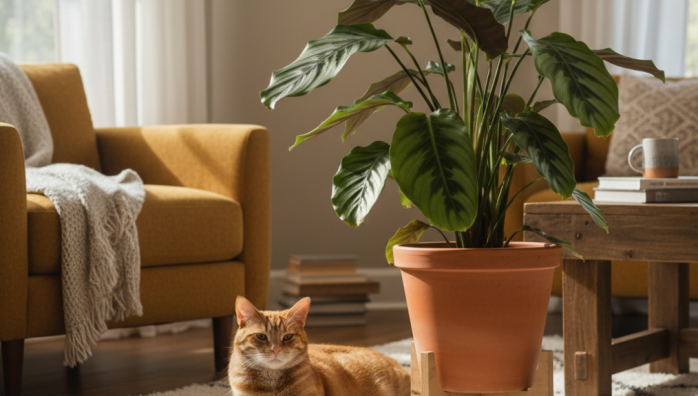
I\'ll never forget the heart-stopping panic I felt when I walked into the living room to find my new kitten, Leo, nibbling on the leaves of a beautiful Dieffenbachia I\'d just bought. I had no idea it was toxic. That frantic call to the vet was a wake-up call, and it sent me down a rabbit hole of research to figure out how I could enjoy having a green home without putting my furry family members at risk. It turns out, you don\'t have to choose between your pets and your plants.
My go-to list of pet-friendly houseplants
Over the years, I\'ve curated a collection of plants that are not only beautiful but completely safe for my curious cat and clumsy Golden Retriever. These are my tried-and-true favorites that have survived (and thrived) in my pet-filled home.
The spider plant (Chlorophytum comosum)
This is the ultimate starter plant for pet owners. It\'s incredibly resilient and non-toxic. My cats love to bat at the little \'spiderettes\' that hang down, and I don\'t have to worry. They are also fantastic air purifiers, which is a huge bonus in a home with animals.
Boston fern (Nephrolepis exaltata)
I love the lush, feathery look of a Boston Fern. They bring a bit of woodland magic indoors. They are completely safe for cats and dogs, though they can be a bit messy if a curious pet decides to rustle their fronds. I keep mine in a hanging basket, just out of reach of my dog\'s happy tail.
Calathea family (Prayer plants)
The patterns on Calathea leaves are just stunning. What I find fascinating is how their leaves fold up at night, like hands in prayer. They are non-toxic, but can be a bit fussy about their water and light. Honestly, they\'ve taught me to be a more attentive plant parent, and my pets completely ignore them.
Money tree (Pachira aquatica)
Despite its association with wealth, the real treasure for me is that this plant is non-toxic to my pets. Its braided trunk is a beautiful feature, and it’s surprisingly easy to care for. It\'s sturdy enough that I don\'t worry about it getting knocked over easily.
A few common plants I learned to avoid
My journey also taught me which popular houseplants are a definite no-go. I had to sadly re-home a few of these beauties after learning about the risks they posed.
- Lilies: This is a big one, especially for cat owners. Many types of lilies are extremely toxic to cats, and even a small amount of pollen can cause kidney failure.
- Sago Palm (Cycas revoluta): This trendy plant is highly toxic to both dogs and cats, with the seeds being the most dangerous part. It\'s just not worth the risk for me.
- Pothos (Epipremnum aureum): So common and easy to grow, but they contain calcium oxalate crystals that can irritate the mouth and stomach of pets if ingested.
What to do if you suspect plant poisoning
That scary experience with my kitten taught me to always be prepared. If you ever suspect your pet has ingested a toxic plant, don\'t wait. Contact your veterinarian or an emergency pet poison hotline immediately. It\'s always better to be safe. While my experience has taught me a lot, I\'m not a vet, and professional medical advice is crucial in an emergency. Creating a beautiful, green, and safe space for everyone in your family is absolutely possible with a little bit of knowledge.