Effective Tooth Brushing Techniques for Your Pet
by admin in Pet Care Basics 142 - Last Update November 28, 2025
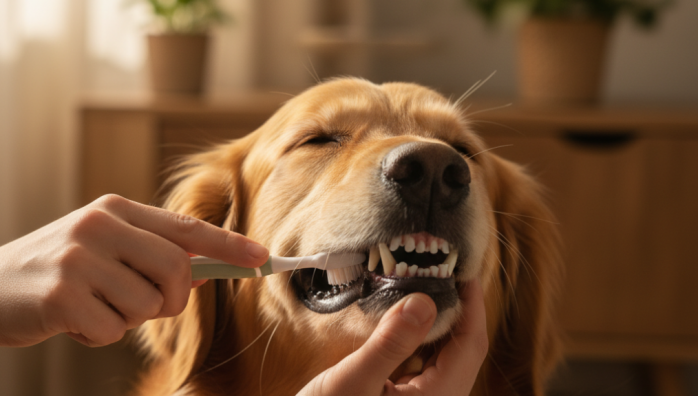
I\'ll be honest, the first time I tried to brush my dog\'s teeth, it was a complete disaster. I had a human toothbrush, a grim look of determination, and a dog who looked at me like I had lost my mind. He squirmed, I fumbled, and we both ended up stressed. It took me a long time to realize that I was approaching it all wrong. It wasn\'t a chore to be conquered; it was a skill and a routine we had to build together, based on trust.
Finding the right tools was my first \'aha\' moment
My initial mistake was thinking any brush would do. I quickly learned that pet-specific tools are designed for a reason. For my dog, a long-handled brush with an angled head was a game-changer, allowing me to reach his back molars without putting my whole hand in his mouth. For my much more particular cat, a small silicone finger brush was the only thing she would tolerate. The biggest lesson, however, was about toothpaste. I can\'t stress this enough: never use human toothpaste. It contains ingredients like xylitol and fluoride which are toxic to pets. I switched to an enzymatic pet toothpaste with a poultry flavor, and suddenly, my dog was much more interested in what was happening.
My step-by-step approach to a stress-free routine
After a lot of trial and error, I developed a process that turned our wrestling matches into a calm, two-minute routine. Here\'s what worked for us:
- Start without the brush. For the first week, I just put a dab of the pet toothpaste on my finger and let my pets lick it off. This created a positive association. They saw it as a treat.
- Introduce the tool slowly. Next, I put the toothpaste on the brush and just let them lick it off, without any brushing. I did this for a few more days until the sight of the toothbrush meant a tasty treat was coming.
- The first gentle brushes. I started by gently lifting my dog\'s lip and brushing just a few of his front teeth in a circular motion for about 10 seconds. Then I stopped and gave him lots of praise. The key was to end the session before he got antsy.
- Build up duration over time. Each day, I added a few more seconds and a few more teeth, always focusing on the outside surfaces where tartar builds up most. Within a couple of weeks, we were doing a full-mouth brush without any fuss.
A special note for our feline friends
Cats, as I learned with my own independent feline, are a different story. They require even more patience. The key for me was incredibly short sessions—sometimes just 15-20 seconds. I also found that picking a quiet, calm moment when she was already relaxed, like snoozing on my lap, was far more effective than trying to schedule it. It\'s about progress, not perfection. While these techniques worked wonders for my companions, every animal is unique. I always recommend chatting with your vet first to create the best dental care plan for your specific pet\'s needs.