Pet Safe Houseplants A Quick Guide
by admin in Pet Care Basics 111 - Last Update December 2, 2025
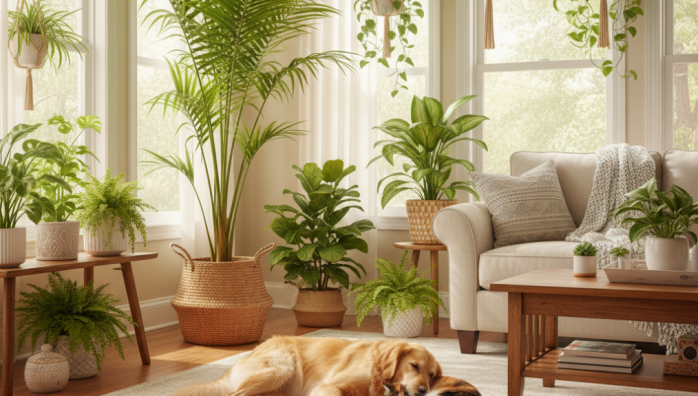
I\'ll never forget the panic I felt years ago. I brought home a gorgeous bouquet of lilies to brighten up my kitchen, and my cat, Leo, was immediately fascinated. A quick, nagging thought made me search online, and my heart sank. I learned that lilies are incredibly toxic to cats. I got them out of the house immediately, but that close call taught me a crucial lesson: a beautiful home must also be a safe home for our furry family members.
It’s so easy to forget that our dogs and cats explore the world with their mouths. A curious nibble on a new leaf can lead to anything from a mild tummy ache to a serious medical emergency. That\'s why, over the years, I\'ve made it my mission to only bring plants into my home that I know won\'t cause harm. It\'s given me incredible peace of mind, and my home is still the lush, green sanctuary I\'ve always wanted.
My favorite go-to pet-safe plants
After a lot of trial and error (both in plant care and pet-proofing!), I\'ve landed on a few favorites that are beautiful, resilient, and completely non-toxic. These are the ones I recommend to all my friends who are new pet parents.
- Spider Plant (Chlorophytum comosum): This is the ultimate beginner plant. It\'s incredibly forgiving and produces little \"spiderettes\" that are fun to watch grow. My cats love to bat at them, and I don\'t have to worry for a second.
- Parlor Palm (Chamaedorea elegans): If you want a tropical vibe without the risk, this is your plant. It\'s elegant, low-maintenance, and does well in lower light conditions, making it perfect for adding a splash of green to a forgotten corner.
- Calathea (Prayer Plant): I\'m absolutely mesmerized by these. Their leaves fold up at night, like hands in prayer. They require a bit more humidity, but their stunning patterns are worth it, and they are completely safe for curious pets.
- Boston Fern (Nephrolepis exaltata): A classic for a reason. These lush ferns add a soft, vibrant texture to any room. I keep one in my bathroom, where it loves the steam from the shower, and my dog completely ignores it.
- Haworthia (Zebra Plant): For my fellow succulent lovers, this is a fantastic choice. Unlike Aloe Vera, which can be toxic, this spiky little succulent is perfectly safe. It’s tough, needs very little water, and looks great on a desk or shelf.
Plants I\'ve learned to avoid or keep out of reach
Creating a safe environment also means knowing what to avoid. I\'ve learned to steer clear of some very common but dangerous houseplants.
- Lilies (all types): As I learned, these are a huge no-go for cat owners. Every part of the plant is extremely toxic.
- Sago Palm (Cycas revoluta): This plant is incredibly dangerous for both dogs and cats. I\'ve heard horror stories from friends in the vet tech community, and I wouldn\'t let one anywhere near my home.
- Pothos & Philodendron: While not as deadly, these popular trailing plants contain calcium oxalate crystals that can cause painful irritation, drooling, and vomiting if chewed on. I do have one, but it\'s on a very high shelf that I know my cat absolutely cannot reach.
Ultimately, creating a pet-safe green space is all about informed choices. A little bit of research before you buy can save you a lot of potential heartache later. If you ever suspect your pet has ingested a plant, your first and most important call should always be to your veterinarian or a pet poison helpline. My advice comes from personal experience, but a vet\'s guidance is essential in any potential emergency.