Pet-Safe Houseplant Choices for Your Home
by admin in Pet Care Basics 126 - Last Update November 28, 2025
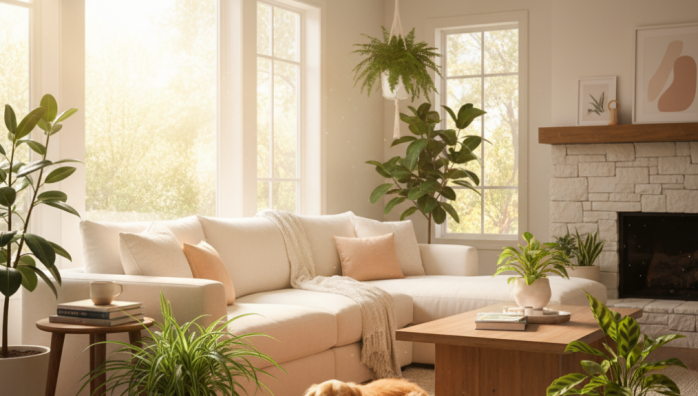
I\'ll never forget the moment of pure panic when I saw my curious young beagle, Cooper, with a piece of a Dieffenbachia leaf in his mouth. We rushed to the emergency vet, and thankfully, he was okay after some treatment. That scare, however, completely changed how I approach being a plant parent and a pet parent. It sent me on a mission to find beautiful, lush houseplants that wouldn\'t pose a threat to my furry family members. It turns out, you don\'t have to choose between a green home and a safe pet.
My go-to list of truly pet-safe plants
After a lot of research and some trial-and-error (some plants are safe but too tempting for my cat to shred!), I’ve curated a list of favorites. These are plants that have thrived in my home and, most importantly, give me peace of mind.
The resilient spider plant (Chlorophytum comosum)
This is probably the MVP of pet-safe plants. It’s incredibly easy to care for and has a fun, grassy appearance that cats, in particular, seem to love batting at. The good news is that it\'s completely non-toxic. I have them in hanging baskets, which keeps them mostly out of reach while their little \'spiderettes\' cascade down beautifully.
The vibrant prayer plant family (Calathea and Maranta)
I adore Calatheas. Their leaves are like works of art, with stunning patterns of green, pink, and purple. They famously fold their leaves up at night, like hands in prayer. They can be a bit fussy about humidity, but I find keeping them in my bathroom or near a small humidifier does the trick. Knowing they are perfectly safe for my dog and cat to be around makes their beauty even more enjoyable.
The classic boston fern (Nephrolepis exaltata)
If you want a lush, jungle-like vibe, the Boston Fern is a fantastic choice. Its feathery fronds are non-toxic and create a wonderful sense of calm in a room. I learned they love moisture and indirect light, so I keep mine away from drafty windows. It’s a classic for a reason and a staple in my pet-friendly indoor garden.
The easy-going parlor palm (Chamaedorea elegans)
Want a touch of the tropics? The Parlor Palm is your answer. It\'s very forgiving and does well in lower light conditions, which is perfect for that one corner of my living room. It\'s slow-growing but so elegant, and I\'ve never had to worry when I see my cat rubbing up against its fronds.
A quick note on \'non-toxic\' vs. \'indigestible\'
It\'s important to remember that even non-toxic plants can cause mild stomach upset if your pet eats a large quantity. The fibrous material isn\'t meant to be digested. I always try to keep my plants slightly out of reach or use gentle deterrents to discourage nibbling. And remember, this is just my personal list based on my experience; I always recommend double-checking any new plant on the ASPCA\'s official toxic plant list and consulting with your vet if you have any concerns. A happy home is a safe home for everyone, paws and all.