Daily Tooth Brushing for Pet Dental Health
by admin in Pet Care Basics 126 - Last Update November 29, 2025
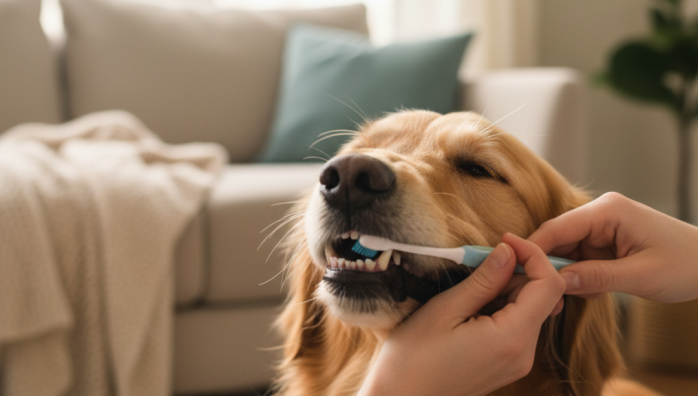
I used to think that my dog’s bad breath was just a normal part of being a dog. I’d joke about his “doggie breath” and didn\'t think much of it until a routine vet visit. My veterinarian gently pointed out the significant tartar buildup and red gums, explaining that what I was smelling was actually the early stages of dental disease. It was a huge wake-up call for me. I realized that just like with my own health, proactive care was essential, and I committed to learning how to make daily tooth brushing a non-negotiable part of our routine.
Why daily brushing is a game-changer for your pet
Honestly, the idea of brushing my cat\'s or dog\'s teeth every day seemed daunting at first. But once I understood the stakes, it became a priority. Plaque, that sticky, invisible film, forms on teeth within hours of eating. If it\'s not removed, it hardens into tartar in as little as 24-48 hours. Tartar buildup irritates the gums, leading to gingivitis, and can eventually cause painful periodontal disease, tooth loss, and even systemic health problems affecting the heart, kidneys, and liver. Brushing daily disrupts that cycle before it can even start. It’s the single most effective thing you can do at home to protect their oral and overall health.
Getting started: my simple approach
The key I discovered was to make the entire experience positive and gradual. Rushing in with a toothbrush is a recipe for disaster. Here’s the process that worked for my own pets and the many I’ve cared for over the years.
Choosing the right tools
First things first, you need pet-specific supplies. Never, ever use human toothpaste. It often contains xylitol, which is extremely toxic to dogs, and fluoride, which can upset their stomachs. I opt for enzymatic pet toothpastes in flavors like poultry or beef, which my pets see as a treat. For brushes, a soft-bristled finger brush is fantastic for beginners and small mouths. For my larger dog, I eventually graduated to a dual-ended toothbrush with a long handle to reach the back molars more easily.
Making the introduction
This is all about patience. For the first few days, I simply let my pet lick a dab of the toothpaste from my finger. That\'s it. Next, I started lifting their lip and gently rubbing the paste on their gums with my finger. I kept sessions under a minute and followed up with lots of praise or a favorite toy. The goal is to associate the toothpaste and having their mouth handled with something pleasant. It took about a week before I even introduced the brush, and that’s perfectly okay.
A step-by-step guide to brushing
Once your pet is comfortable with the paste and having their mouth touched, you can start brushing. Here\'s my simple routine:
- Find a calm, quiet time when your pet is relaxed.
- Let them lick a small amount of toothpaste off the brush.
- Gently lift their lip on one side and brush the outer surfaces of their teeth in small, circular motions, angling the bristles toward the gumline.
- Focus on the outside surfaces, as that\'s where most tartar accumulates. Don\'t worry about the inside surfaces initially.
- Keep the session short – even 30 seconds per side is a great start.
- End on a positive note with praise or a quick play session!
Remember, this is just what worked for me and my animals. The most important thing is consistency. If you encounter any significant resistance or notice bleeding gums, I always recommend having a chat with your vet to rule out any underlying pain and get their professional advice.
When brushing just isn’t working
Some pets, no matter how patient you are, will not tolerate brushing. If that\'s your situation, don\'t give up on dental care. While nothing replaces the mechanical action of brushing, there are other tools I\'ve used as part of a broader dental strategy. Vet-approved dental chews, water additives, and prescription dental diets can all help reduce plaque. I see them as valuable supplements to brushing, or as the primary line of defense if brushing is truly impossible, but I always discuss these options with my veterinarian to create the best possible plan for my pet\'s specific needs.