Daily Dental Brushing Techniques for Dogs
by admin in Pet Care Basics 102 - Last Update November 27, 2025
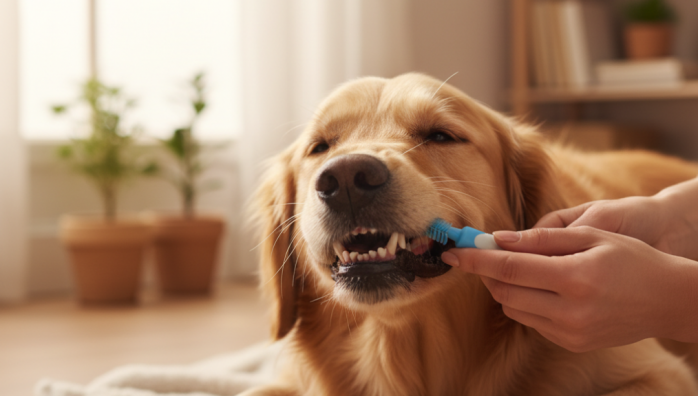
I\'ll be honest, the first time my vet mentioned the tartar building up on my dog\'s teeth, I felt a wave of guilt. I was doing everything else right—the best food, daily walks, plenty of love—but dental care felt like this huge, intimidating task. The thought of wrestling with my dog and a toothbrush every day was exhausting. But I learned over time that it doesn\'t have to be a battle. In fact, it can become a special, quiet moment you share each day.
Why daily brushing became my non-negotiable
For a long time, I relied on dental chews, thinking they were enough. And while they can help, my vet explained that nothing replaces the mechanical action of brushing away plaque. Daily brushing prevents tartar buildup, which can lead to painful periodontal disease, tooth loss, and even impact a dog\'s overall health. Once I framed it as a crucial part of his wellness routine, just like his daily walk, my mindset completely shifted.
Gathering the right tools for the job
You don\'t need a lot, but having the right gear makes all the difference. Here’s the simple kit I’ve found works best for us.
The toothbrush
I’ve tried them all. For my smaller dog, a soft-bristled finger brush that slips over my index finger gives me the best control. For my larger retriever, a long-handled, dual-headed dog toothbrush is fantastic for reaching those back molars. The key is \'soft bristles\'—you don\'t want to irritate their gums.
The toothpaste
This is critical: never use human toothpaste. Many contain xylitol, which is extremely toxic to dogs. I always use an enzymatic toothpaste specifically for dogs. They come in flavors my dogs love, like poultry or beef, which immediately makes the process feel more like a treat than a chore.
My step-by-step guide to a stress-free session
The secret I learned was to make it a gradual, positive process. Don\'t just jump in and start scrubbing. That’s a recipe for disaster.
- Introduce the toothpaste. For the first few days, I didn\'t even use a brush. I just put a dab of the doggy toothpaste on my finger and let them lick it off. This creates a positive association from the start. They think, \'Oh, this is a tasty new treat!\'
- Introduce the brush. Once they love the toothpaste, I put a dab on the finger brush or toothbrush and let them lick it off. Still no brushing. We\'re just getting them used to the tool in their mouth.
- Start the \'brushing\' motion. After a few more days, I started to gently rub the brush against one or two of their front teeth in a circular motion. I’d praise them like they\'d just won an award and give them a small treat afterward.
- Go for the full mouth. Gradually, over a week or two, I extended the brushing time and reach, focusing on the outer surfaces of the teeth where most tartar accumulates. I aim for about 30-60 seconds per side. The inside is less critical as their tongue does a decent job there.
What I do when things don\'t go to plan
Some dogs will resist more than others. The key is patience. If your dog gets stressed, stop. End on a positive note and try again tomorrow for a shorter duration. For very resistant dogs, dental wipes or a piece of gauze wrapped around your finger can be a good starting point. They feel less intrusive than a brush. And remember, this is just what worked for my dogs, but I always recommend chatting with your vet first. They can offer advice tailored to your dog\'s specific temperament and health needs.
Ultimately, brushing your dog\'s teeth is one of the most proactive things you can do for their long-term health. It saves them from pain and saves you from costly dental procedures down the line. It\'s a few minutes a day that buys them years of comfort.