Brushing Your Pet's Teeth Technique
by admin in Pet Care Basics 136 - Last Update December 6, 2025
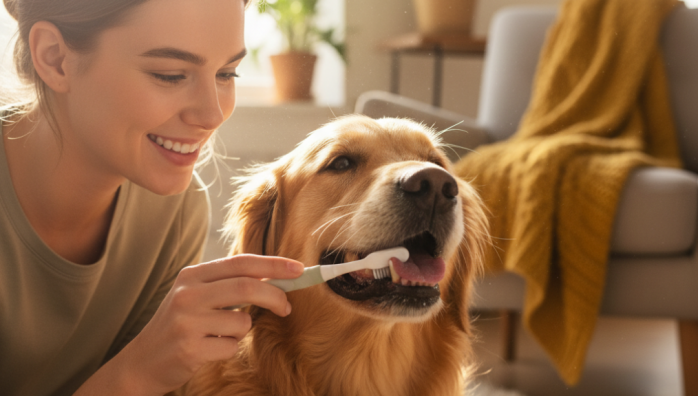
I\'ll be honest, for years I thought \'doggy breath\' was just a normal part of having a dog. I’d wrinkle my nose, give my golden retriever a pat, and move on. It wasn\'t until a routine vet visit that the reality of pet dental health hit me. My vet gently explained that over 80% of dogs show signs of dental disease by age three, and that bad breath was the first red flag. That conversation completely changed my approach, and I embarked on the journey of learning how to properly brush my pet\'s teeth, a task that initially felt impossible.
Why I started taking pet dental care seriously
It’s not just about fresh breath. I learned that bacteria from plaque and tartar can enter the bloodstream and potentially harm vital organs like the heart, liver, and kidneys. Seeing it as a crucial part of my pets\' overall wellness, not just a cosmetic issue, was the \'aha\' moment for me. Preventing painful extractions and serious health complications down the road became my motivation. It’s one of the most proactive things we can do for their long-term health, and I wish I had started sooner.
Gathering the right tools: my go-to kit
Before you even think about approaching your pet, getting the right supplies is key. Trying to make do with human products is not only ineffective but can be dangerous. Here’s what I found works best.
Pet-specific toothpaste is non-negotiable
This is the most critical rule. Human toothpaste contains ingredients like fluoride and xylitol, which are toxic to both dogs and cats. Pet toothpaste is formulated to be safely swallowed and comes in flavors they actually enjoy, like poultry or beef. This simple switch turns the experience from a chore into a treat.
Choosing your brush
There are a few options, and you might need to experiment. I started with a little rubber brush that fit over my finger. It was great for getting my cat used to the sensation. For my dog, I eventually graduated to a dual-headed toothbrush designed specifically for canines, which helps me reach the back molars more effectively. Even a soft-bristled children\'s toothbrush can work in a pinch for smaller pets.
My step-by-step technique for a stress-free brush
Patience is everything. This isn\'t a race. My goal was to make this a calm, positive, and routine part of our day, not a wrestling match. This is the gradual method that worked for both my cautious cat and my goofy dog.
- Make the toothpaste a treat. For a few days, I simply put a dab of the pet toothpaste on my finger and let them lick it off. This builds a positive association right away. No brushing, just tasting.
- Introduce the touch. Once they enjoyed the taste, I\'d gently lift their lip and run my toothpaste-covered finger over their gums and a few teeth. I kept these sessions super short—maybe 15-20 seconds—and followed up with lots of praise.
- Introduce the brush. Next, I put the toothpaste on the brush and let them lick it off. I let them get used to the sight and feel of the bristles in their mouth without any actual brushing motion.
- The first gentle brush. After a day or two of the last step, I made my move. I gently brushed a few of the easy-to-reach front teeth in a circular motion. I focused on the outer surfaces, as that\'s where most tartar accumulates. Again, short, sweet, and followed by a reward.
- Build up duration and coverage. Over the next few weeks, I gradually increased the brushing time and the number of teeth I cleaned in each session until I could do their whole mouth in about a minute.
Common mistakes I made (so you don\'t have to)
I definitely didn\'t get it perfect on the first try. Looking back, here are a few things I learned to avoid:
- Forcing it. Never hold your pet down or pry their mouth open. This creates fear and will make every future attempt a battle.
- Going too fast. Trying to brush all their teeth on day one is a recipe for failure. The gradual introduction is the secret sauce.
- Forgetting the reward. Ending every session with praise, a cuddle, or a favorite game reinforces that this is a good experience.
- Giving up. Some days are better than others. If your pet seems stressed, just stop and try again tomorrow. Consistency over intensity is the goal.
Ultimately, brushing my pets\' teeth has become a normal part of our routine. It’s a few minutes each day that I know is contributing directly to their health and happiness. While this method worked wonders for us, every pet is different. I always recommend chatting with your vet to find the best dental care plan for your furry family member.