Brushing Your Dog's Teeth Correctly
by admin in Pet Care Basics 117 - Last Update December 6, 2025
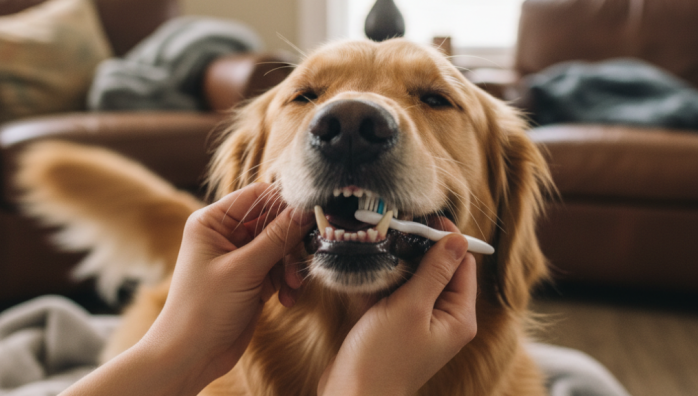
I\'ll be honest, for the first few years I had my dog, brushing his teeth felt like a chore I could safely ignore. I figured his chew toys and dry kibble were doing the job. It wasn\'t until a routine vet visit that I got a gentle but firm wake-up call. The vet pointed out the early signs of plaque and tartar building up on his back molars, explaining how it could lead to much bigger problems down the line, affecting his heart and kidneys. That was my \'aha\' moment; dental care wasn\'t optional, it was essential for his long-term health.
Finding the right tools for the job
My first mistake was thinking any old brush and paste would do. I quickly learned that human toothpaste is toxic to dogs because of ingredients like xylitol. So my first step was getting a poultry-flavored enzymatic toothpaste made specifically for dogs. For the brush, I started with a little rubber finger brush. It felt less intimidating for both of us and allowed me to feel exactly where I was brushing. As he got more comfortable, I graduated to a dual-ended toothbrush with a longer handle, which is fantastic for reaching those tricky back teeth.
My step-by-step approach to a stress-free routine
Forcing the issue never works with dogs. I had to make this a positive, or at least neutral, experience. Here’s the slow and steady process that worked for us:
- Taste Test: For a few days, I just put a dab of the dog toothpaste on my finger and let him lick it off. He loved the flavor, which was a huge win. This built a positive association from the start.
- Introducing the Brush: Next, I let him lick the paste off the finger brush. No brushing yet, just getting him used to the tool being near his mouth. I did this for another couple of days, always followed by praise.
- The First Brush: I finally went for it. I gently lifted his lip and brushed just a few of the front teeth in a circular motion for about 15-20 seconds. Then I stopped and gave him a huge amount of praise and a favorite treat.
- Building Duration: Each day, I added a few more seconds and a few more teeth, working my way towards the back. The key was to always end on a positive note, before he got fussy. Now, we can do a full mouth brushing in about two minutes.
What i learned the hard way
Patience is everything. In the beginning, I got frustrated and tried to rush it, which only made my dog anxious and resistant. Going back to basics and taking it incredibly slow was the only way forward. It’s about building trust, not just cleaning teeth. Consistency is also vital. We aim for every night before bed, but even doing it 3-4 times a week makes a world of difference. Remember, this is what worked for my dog, and I always suggest having a chat with your vet to create the best dental plan for your furry friend, as they might need professional cleanings too.