Sourcing Safe Ingredients for BARF Meals
by admin in Pet Care Basics 152 - Last Update December 3, 2025
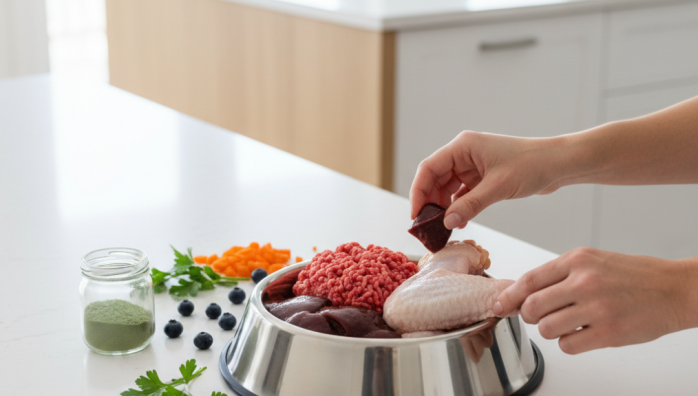
When I first decided to switch my dog to a BARF (Biologically Appropriate Raw Food) diet, I felt a mix of excitement and, honestly, a little bit of terror. The benefits seemed incredible, but the responsibility of sourcing every single ingredient felt huge. Where do you even begin? I spent months researching, talking to butchers, and learning from my own trial and error. My goal here isn\'t to give you a rigid set of rules, but to share what I\'ve learned about finding safe, high-quality ingredients that give me peace of mind.
Finding quality muscle meat
This is the foundation of any BARF meal. At first, I just went to my local supermarket. While it\'s convenient, I quickly realized it wasn\'t always the most economical or transparent option. I\'ve found the most success by building relationships. I started talking to local butchers. Many are incredibly knowledgeable and can offer you cuts that are less popular for human consumption but perfect for pets, often at a better price. I look for meat that is fresh, with good color, and I always ask about their sourcing practices. Is it local? Is it free from additives? Building that trust is key.
The crucial role of organ meats
Organ meats are non-negotiable in a BARF diet; they are the multivitamins of the raw feeding world. Sourcing them, however, can be tricky. My local supermarket rarely had the variety I needed (liver is common, but kidney, spleen, and pancreas are gold). This is where my relationship with the butcher became invaluable. I also discovered local farms and co-ops that process their own animals. They often have an abundance of organ meats and are happy to sell them. Remember, these are nutrient-dense, so they should only make up a small, specific percentage of the diet. I always recommend discussing these ratios with a holistic vet to get it just right for your specific pet.
Sourcing safe, edible bones
This was my biggest fear. The idea of feeding bones can be intimidating because of all the warnings we hear. The key is to use *raw*, non-weight-bearing bones. Cooked bones are brittle and dangerous, period. I source things like chicken wings, duck necks, and lamb ribs directly from my trusted butcher or a specialized raw pet food supplier. I make sure they are size-appropriate for my dog to prevent choking hazards. Never, ever feed large, weight-bearing bones from animals like cattle, as they can crack teeth.
Vetting your suppliers: questions I always ask
Whether it\'s a butcher, a farm, or a commercial raw food company, I have a mental checklist. I think it\'s crucial to be an informed consumer.
Here\'s what I typically ask:
- Where do you source your animals from?
- Are the animals grass-fed or free-range? (This isn\'t a must for everyone, but it matters to me).
- Do you use any hormones or antibiotics in the meat?
- For pre-made grinds, what is your meat-to-bone-to-organ ratio?
- How do you ensure the food is handled safely to prevent bacterial contamination?
A reputable supplier will be happy to answer these questions. If they are evasive or dismissive, I take that as a red flag and look elsewhere. Your pet\'s health is worth the extra effort.
A quick note on fresh produce
While the \'B\' in BARF stands for bones, many models include a small amount of pureed fruits and vegetables for fiber and phytonutrients. I source these just as I would for myself—local farmers\' markets are fantastic for seasonal, fresh options. I stick to pet-safe options like pumpkin, kale, and blueberries, and always avoid dangerous ones like onions, grapes, and raisins. As with everything, this is a personal choice, and it\'s something I discussed with my vet before incorporating it.
Sourcing for a BARF diet feels like a big puzzle at first, but once you find your trusted suppliers, it becomes a simple and rewarding routine. The peace of mind from knowing exactly what\'s in your pet\'s bowl is truly priceless.