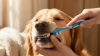
Proper Toothbrushing Techniques for Dogs
by admin in Pet Care Basics 110 - Last Update November 27, 2025

I’ll be honest, for years the thought of brushing my dog\'s teeth filled me with dread. It felt like an impossible chore, a wrestling match that neither of us could win. But after a concerning vet visit and seeing the plaque build up on my older dog\'s canines, I knew I had to commit. It turns out, with the right approach and a lot of patience, it’s not only possible, but it can become a positive part of your routine. It\'s one of the most proactive things we can do for their long-term health.
Getting the right tools for the job
Before you even think about approaching your dog, you need the right gear. I learned quickly that using human products is a dangerous mistake, and the right dog-specific tools make all the difference.
The toothbrush
I started with one of those little rubber brushes that fits over your finger. It was great for getting my dog used to the sensation without a scary foreign object. Once he was comfortable, I graduated to a long-handled, dual-headed dog toothbrush. The angled heads make it so much easier to reach the back molars, which is where a lot of the nasty tartar likes to hide.
The toothpaste
This is non-negotiable: you must use toothpaste formulated for dogs. Human toothpaste contains xylitol and fluoride, which are toxic to them. I\'ve found that enzymatic toothpastes work best for my dogs, as they help break down plaque even after you\'re done brushing. Plus, they come in flavors like poultry and beef, which my dogs see as a high-value treat. It completely changes their perception of the activity.
My step-by-step method for a calm brushing session
This isn\'t a race. The key is to build trust and make it a positive experience. I broke the process down into tiny, manageable steps over the course of about two weeks.
- Just the paste: For the first few days, I didn\'t use a brush at all. I\'d put a dab of the dog toothpaste on my finger and let my dog lick it off. This creates a positive association right away.
- Touch the gums: Once he was excited about the toothpaste, I started gently rubbing my toothpaste-covered finger along his gums and teeth. I\'d praise him enthusiastically the whole time.
- Introduce the brush: Next, I put the paste on the toothbrush and let him lick it off. The goal was just to get him comfortable with the sight and feel of the brush itself.
- The first brushstroke: After a few days of that, I made my move. I gently lifted his lip and made a few small, circular motions on his front canines. Then I stopped and gave him tons of praise and a small treat. The session lasted less than 30 seconds.
- Work your way back: I gradually increased the duration and reach of the brushing, focusing on the outside surfaces of the teeth, especially the large premolars and molars in the back. The inside surfaces are less critical as their tongue helps keep them cleaner.
How often should you really be doing this?
In a perfect world, we\'d brush our dogs\' teeth every day, just like our own. But I know life gets in the way. My personal goal is for 3-4 times a week. I\'ve found that this frequency is enough to significantly reduce plaque buildup and keep his breath much fresher. Consistency is far more important than perfection. A brief, positive session a few times a week is infinitely better than a stressful, perfect session once a month.
Ultimately, this routine has saved my dogs from painful dental procedures and has saved me from some hefty vet bills. It’s a few minutes of my day that pays huge dividends in their health and comfort. Of course, this is what has worked for my dogs, but I always recommend chatting with your vet to make sure you have the best dental care plan for your furry friend\'s specific needs.