Daily Toothbrushing Techniques for Cats and Dogs
by admin in Pet Care Basics 110 - Last Update November 27, 2025
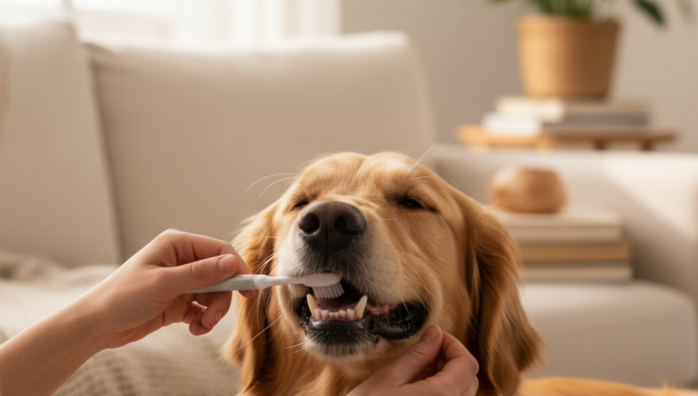
I\'ll be honest, for years I thought \'doggie breath\' was just a quirky, unavoidable part of having a dog. My vet would mention dental care, and I\'d nod, buy some dental chews, and think I was doing enough. The wake-up call came during a routine check-up for my senior beagle, Max. The vet pointed out significant tartar buildup and gum inflammation, and we were suddenly looking at a costly and stressful professional cleaning under anesthesia. That was the moment I realized I had to do better, not just for Max, but for my feisty tabby cat, Luna, too.
Why daily brushing became non-negotiable for me
It sounds like a lot of work, I know. But once I got into the rhythm, it became a quick, two-minute bonding ritual. The change wasn\'t just in their breath, though that improved dramatically. I noticed my pets seemed more comfortable eating, and I had peace of mind knowing I was actively preventing plaque from turning into hard, damaging tartar. Plaque is the soft stuff that you can brush away; tartar is the hard, calcified deposit that requires professional tools to remove. For me, preventing tartar buildup became the number one goal to avoid future dental procedures, which can be risky, especially for older pets. Of course, this routine is a supplement to, not a replacement for, professional vet check-ups, which I still religiously schedule.
Getting started: the tools and the mindset
The first mistake I made was trying to use human toothpaste. A quick chat with my vet confirmed this is a huge no-no, as it contains ingredients like fluoride and xylitol that are toxic to pets. Here\'s the simple kit that I\'ve found works best:
- A Pet-Specific Toothpaste: I let my pets try a few flavors (poultry seems to be the universal winner in my house). The enzymatic kinds are great because they continue working even after you\'re done brushing.
- The Right Brush: For my dog, I use a dual-ended brush with a large head for the big teeth and a small head for the front. For my cat, a small finger brush or even a piece of gauze wrapped around my finger was the only way to go at first. Patience is key.
My approach to introductions
I didn\'t just go straight for their teeth. For a few days, I just let them lick the tasty toothpaste off my finger. Then, I\'d gently lift their lip and rub the paste on their gums with my finger. Only after they were comfortable with that did I introduce the brush itself. It\'s a process of building trust, not a race.
My step-by-step technique for dogs
With my dog, I\'ve found a calm, consistent routine is everything. We do it every evening after our last walk.
- I have him sit, and I kneel beside him, on his level. I never stand over him, as that can be intimidating.
- I put a pea-sized amount of toothpaste on the brush.
- I gently lift his upper lip on one side and start with the big back molars, brushing in small, gentle circles. I focus on the outer surfaces, as that\'s where most tartar accumulates.
- I work my way forward, praising him in a calm voice the whole time.
- I repeat on the other side. The inside surfaces are less critical and much harder to get to, so I don\'t stress if I can\'t reach them perfectly.
The special approach for cats: patience is everything
Cats are a different ball game entirely. My cat, Luna, was much more resistant. The key for her was speed and positivity. I had to make it a game that ended with a treat she loves.
- I choose a time when she is relaxed and sleepy, often when she\'s already cuddling in my lap.
- Using a finger brush with a tiny dab of paste, I gently lift her lip.
- I aim for just a few quick swipes on the outside of her canines and back teeth. At first, I could only do one side per session.
- The session lasts maybe 30 seconds, maximum. Immediately after, she gets her favorite treat and lots of praise. Over time, she\'s learned to tolerate it because she knows a reward is coming.
Ultimately, brushing your pet\'s teeth is one of the most impactful things you can do for their long-term health. It took some trial and error, but it\'s now a cherished part of our daily routine. Remember to be patient with your pet and yourself, and always consult your vet to find the best dental care plan for your furry family member.