Sustainable Pet Food and Toy Choices
by admin in Pet Care Basics 115 - Last Update November 27, 2025
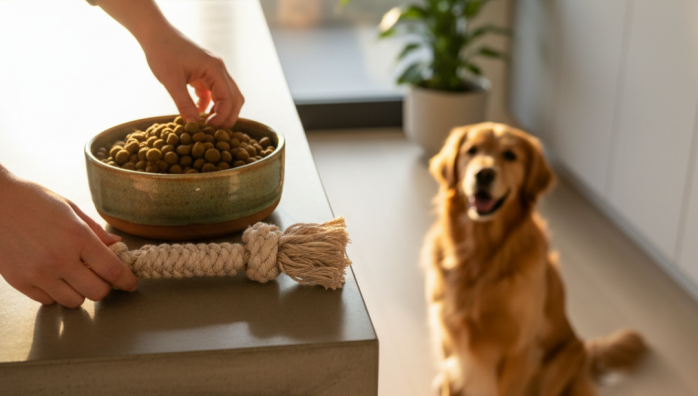
I remember a time when I\'d look at the pile of empty pet food bags and the graveyard of shredded plastic toys and feel a pang of guilt. I love my animals more than anything, but I couldn\'t ignore the environmental \'pawprint\' we were leaving behind. It started me on a long, sometimes confusing, but ultimately rewarding journey to find more sustainable options for them. It wasn\'t about being perfect overnight, but about making small, conscious choices that add up.
Choosing sustainable pet food: what i look for
The pet food aisle can be overwhelming. For years, I just grabbed the brand my vet recommended without a second thought. But when I started looking deeper, I realized there\'s a huge difference in how pet food is made. My focus shifted to two main areas: ingredients and packaging.
Ingredient sourcing and novel proteins
I started looking for brands that were transparent about where their ingredients come from. Words like \'locally sourced\' or \'ethically raised\' became my guideposts. I lean towards companies that use fish from sustainable fisheries or free-range chicken. More recently, I\'ve even experimented with food made from insect protein for my dog. Honestly, I was skeptical at first, but it\'s a fantastic, low-impact protein source, and he absolutely loves it. Of course, any major diet change is something I discuss with my vet first, and I’d recommend anyone do the same, as every pet has unique nutritional needs.
The packaging problem
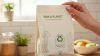
This was a big one for me. Those big, glossy, multi-layered bags are often not recyclable. I\'ve actively started choosing brands that use recyclable paper bags or participate in take-back programs. It\'s a small change, but when you consider how many bags you go through in a year, it makes a real difference. Some smaller, local brands even offer refillable container options, which has been a game-changer.
My experience with eco-friendly pet toys
My dog is a certified \'super chewer,\' and for a long time, that meant a steady stream of cheap, hard plastic toys that would be destroyed in days. I realized I was just creating plastic waste. Shifting my mindset from \'disposable\' to \'durable\' was key.
Materials matter more than you think
I began seeking out toys made from natural or recycled materials. Some of our biggest hits have been:
- Natural Rubber: It\'s incredibly durable and satisfying for heavy chewers. I look for brands that source their rubber responsibly.
- Hemp and Recycled Cotton: For \'soft\' toys and ropes, these are fantastic, biodegradable alternatives to synthetic fibers.
- Recycled Plastics: Some companies make very tough toys from recycled ocean plastics or other post-consumer materials, which gives waste a second life.
It took some trial and error. I learned that \'eco-friendly\' doesn\'t always mean \'indestructible,\' but I\'d rather buy one high-quality, long-lasting toy made from sustainable materials than ten cheap plastic ones that end up in a landfill.
A final thought on mindful consumption
Becoming a more sustainable pet parent isn\'t about a total overhaul. It\'s about asking simple questions before you buy. Where did this come from? What is it made of? What will happen to it when my pet is done with it? For me, it has brought a new level of intention and care to how I look after my furry family members, and that feels good for all of us.