Choosing Sustainable Pet Toys
by admin in Pet Care Basics 134 - Last Update December 2, 2025
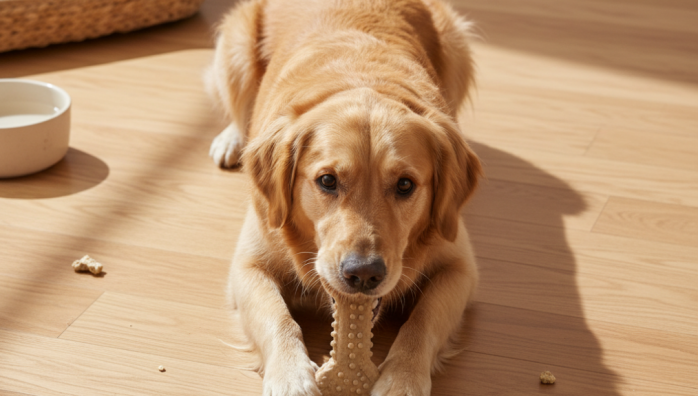
I used to have a graveyard of plastic pet toys. You know the one – a basket filled with half-chewed, brightly colored plastic bits that each lasted maybe a week with my enthusiastic Golden Retriever. Every time I threw one away, I felt a pang of guilt. It wasn\'t just the wasted money; it was the plastic waste and the constant worry about what chemicals he might be ingesting. That was my turning point. I realized that being a responsible pet parent meant thinking about the environmental paw-print of our playtime, too.
What to look for in a sustainable pet toy
Switching to sustainable toys felt overwhelming at first, but I quickly learned to focus on a few key things. It’s less about finding a specific brand and more about understanding the materials and the philosophy behind the toy. It completely changed how I shop for my dog and my two cats.
Materials are the foundation
This is the most important factor for me. I started looking for toys made from natural, renewable, or recycled materials. Think natural rubber, which comes from trees, or tough-as-nails hemp and organic cotton for rope toys. For my cats, I found they adore toys made from natural wool. These materials are not only better for the planet, but they also give me peace of mind, knowing my pets aren\'t chewing on mystery plastics.
Durability equals sustainability
It\'s a simple equation I came to appreciate: a toy that lasts for a year is far more sustainable than twelve toys that last a month. Investing in a well-made, durable toy reduces consumption and waste dramatically. I learned to look past the initial price tag and consider the \'cost per play.\' A slightly more expensive, indestructible rubber toy has outlasted dozens of its cheaper counterparts, saving me money and reducing my household\'s landfill contribution.
Non-toxic for them, non-toxic for the earth
The health of my pets is my top priority. Many cheap plastics can contain chemicals like BPA and phthalates, which I\'d rather keep out of my pets\' mouths. Choosing sustainable toys often goes hand-in-hand with choosing non-toxic ones. I always look for labels that say \'BPA-free,\' \'non-toxic,\' or specify the use of natural, pet-safe dyes. Remember, what\'s safe for your pet is usually better for the environment when the toy eventually reaches the end of its life.
My go-to types of eco-friendly toys
Over the years, I\'ve developed a few favorites that my pets consistently love and that I feel good about buying.
- Natural Rubber Chew Toys: These are the champions for heavy chewers like my dog. They are bouncy, tough, and can often be filled with treats for extra enrichment.
- Hemp or Cotton Ropes: Perfect for a good game of tug-of-war. The natural fibers are strong and safer to ingest in small amounts than synthetic fibers, though of course, I always supervise. Always check with your vet if your pet ingests non-food items.
- Recycled Plastic Toys: It might sound counterintuitive, but some companies do a fantastic job of turning plastic waste (like water bottles) into incredibly durable, safe toys. It\'s a great way to give waste a second life.
- Felted Wool Toys: My cats go wild for these. They\'re soft, light, and perfect for batting around. Plus, wool is a completely natural and biodegradable fiber.
Ultimately, choosing sustainable pet toys is about being more mindful. It\'s about quality over quantity and making choices that are good for our beloved pets and the planet we share with them. It’s a small change that, for me, has made a big difference.