Recycled Pet Products for Sustainable Living
by admin in Pet Care Basics 145 - Last Update December 2, 2025
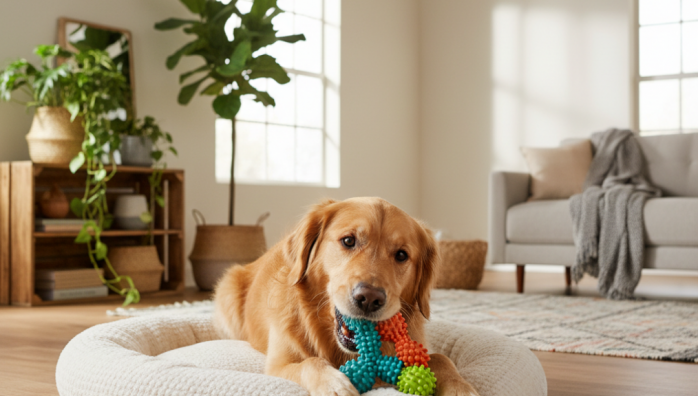
I remember a specific moment a few years back, standing over the recycling bin, holding an empty, non-recyclable dog food bag and a chewed-up plastic toy. It hit me just how much waste my beloved furry family members were generating. I felt a real pang of guilt. I was trying so hard to be eco-conscious in other areas of my life, but I\'d completely overlooked my pet parenting. That was the start of my journey into sustainable pet care, and honestly, what I discovered about recycled pet products completely changed the game for us.
My initial skepticism about recycled toys
Let\'s be honest, my first thought was: are these things even safe or durable? I have a power-chewer, and the idea of a toy made from old water bottles didn\'t inspire confidence. I pictured flimsy plastic that would be in shreds within minutes. But I decided to give it a try, starting with a plush toy filled with 100% recycled plastic bottle fiber and a tough chew toy made from recycled rubber. I was genuinely shocked. The plush toy became a new favorite for cuddle time, and the rubber chew toy has outlasted many of its non-recycled predecessors. It made me realize that \'recycled\' doesn\'t mean \'weaker\'.
What to look for in recycled pet toys
Through trial and error, I\'ve learned to look for a few key things. I always check for non-toxic, BPA-free materials. Reputable brands are usually very clear about what their products are made from. For my dog, durability is key, so I look for products made from recycled rubber or high-density plastics. And of course, I always supervise my dog with a new toy, which is a good practice regardless of what it\'s made from.
Beyond toys: beds, collars, and more
Once I saw the quality of the toys, I started looking for other recycled products. This is where I found some of my absolute favorite items. We switched to a dog bed filled with a super-soft fiber made from recycled plastic bottles. It\'s incredibly comfy (I\'ve been tempted to curl up on it myself!), and it\'s held up perfectly through countless machine washes.
Here are a few other swaps I found surprisingly easy and effective:
- Collars and leashes: I found beautiful, sturdy leashes made from recycled climbing ropes. They\'re unique and incredibly strong.
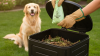
- Poop bags: This was a big one for me. Switching to compostable bags made from corn starch or bags made from recycled materials felt like a small but significant change on our daily walks.
- Food and water bowls: There are great options made from recycled bamboo or stainless steel, which are not only eco-friendly but also hygienic and long-lasting.
Making the switch without the stress
My journey into sustainable pet parenting wasn\'t about throwing everything out and starting over. It was about making a conscious choice with each new purchase. When a toy needed replacing, I\'d look for a recycled option. When the old bed finally gave out, I invested in an eco-friendly one. It\'s about progress, not perfection. Taking these small steps has significantly reduced our \'carbon paw-print\', and it feels wonderful to know I\'m providing the best for my pets and the planet at the same time.