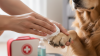
Building a Pet First Aid Kit
by admin in Pet Care Basics 164 - Last Update December 2, 2025

I\'ll never forget the sheer panic I felt when my terrier mix, Pip, sliced his paw pad on a piece of broken glass during a walk. It wasn\'t a life-threatening injury, but the amount of blood was alarming, and I realized with a sinking heart that I had nothing on me to help him. I ended up using my own scarf to apply pressure while we rushed to the vet. That day taught me a valuable lesson: being a responsible pet owner means being prepared for the unexpected. Building a dedicated pet first aid kit isn\'t just a good idea; it’s an absolute necessity for peace of mind.
Why you can\'t just use your human first aid kit
For years, I assumed the first aid kit in my bathroom cabinet would be fine for my pets. I was wrong. Many human supplies are not only ineffective but can be downright dangerous for animals. The most critical difference is medication. Things we take without a second thought, like ibuprofen (Advil) or acetaminophen (Tylenol), are highly toxic to dogs and cats. Additionally, some adhesive bandages can pull out fur painfully and damage delicate skin. A proper pet-specific kit is designed with their unique physiology in mind.
The absolute essentials for your pet\'s kit
After my scare with Pip, I did a ton of research and spoke with my veterinarian to assemble a comprehensive kit. I\'ve broken down what I now consider the non-negotiables into a few key categories. I recommend using a waterproof, clearly-labeled container, like a tackle box or a large plastic bin, to keep everything organized and dry.
Wound care basics
- Gauze pads and rolls: For cleaning wounds and creating pressure pads.
- Non-stick pads: Crucial for covering wounds without sticking to them.
- Self-adhering elastic bandages: This type of wrap sticks to itself but not to fur, which is a game-changer.
- Adhesive medical tape: To secure bandages.
- Antiseptic wipes or solution: Look for pet-safe options like chlorhexidine or povidone-iodine. Avoid alcohol or hydrogen peroxide on open wounds as they can damage tissue.
- Saline eye wash: To flush out debris from eyes.
- Styptic powder: To quickly stop bleeding from minor cuts, especially a clipped nail.
Tools and supplies
- Digital rectal thermometer: A pet’s temperature is taken rectally. Don\'t use a mercury one!
- Blunt-tipped scissors: For cutting tape, bandages, or matted fur away from a wound.
- Tweezers: For safely removing splinters or ticks.
- A muzzle: Even the sweetest pet can bite when in pain or scared. A soft muzzle is a safety tool for both of you.
- A slip lead: Can be used as a makeshift leash or restraint in an emergency.
- Latex or nitrile gloves: To protect yourself and keep the wound clean.
- A small towel or blanket: For comfort, warmth, or to help restrain a small pet.
Important documents and numbers
I keep a waterproof pouch inside my kit with a few essential pieces of paper. This includes a copy of my pet\'s vaccination records, a list of their current medications, and most importantly, the phone numbers for my regular vet, a 24-hour emergency animal hospital, and the ASPCA Animal Poison Control Center. In a stressful situation, you don\'t want to be scrambling to find this information.
Where to keep your kit and how to maintain it
I actually have two kits now. A larger, more comprehensive one stays in a utility closet at home where it’s easy to grab. I also have a smaller, more portable version in my car that contains the basics for wound care, a slip lead, and a towel. This covers me for any incidents at the park or on a hike. Just as important as having the kit is maintaining it. I set a reminder on my phone to check my kits every six months. I replace any used items and check the expiration dates on things like wipes and solutions. It\'s a small task that ensures I\'m always ready. Building this kit gave me confidence, knowing that if another minor emergency happens, I\'ll be able to provide immediate care and comfort for my furry best friend while we get professional help. Of course, this is all for stabilizing your pet, and I always recommend contacting your vet immediately in any emergency situation.