Assistive Devices for Aging Dog Mobility
by admin in Pet Care Basics 214 - Last Update November 28, 2025
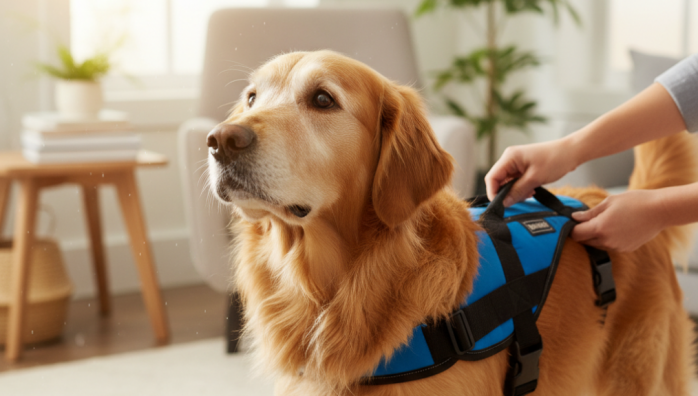
Watching my old boy, Leo, start to struggle with the polished hardwood floors was one of the first signs that his golden years were truly upon him. That slight hesitation before jumping on the couch, the careful, almost tentative way he’d navigate a corner... it was subtle, but it was there. As a long-time pet owner, I’ve learned that our job isn\'t to stop them from aging, but to help them do it with grace, comfort, and dignity. That’s when I started my deep dive into the world of assistive mobility devices, and honestly, it changed everything for us.
Recognizing the early signs of mobility issues
Before you can help, you have to know what to look for. For me, it wasn\'t a sudden limp. It was a collection of small changes. He’d be slower to get up in the morning, less enthusiastic about chasing a ball, and sometimes his back legs would slip out from under him on the kitchen floor. It’s easy to dismiss these as just \'getting old,\' but they are often cries for a little bit of help. If you notice your dog hesitating at stairs, struggling to get in or out of the car, or slipping on smooth surfaces, it’s time to consider some support.
The essential assistive devices I\'ve come to rely on
The market is flooded with options, and it can be overwhelming. I learned through trial and error what works best for different situations. My advice is to start simple and address the most immediate need first. Of course, this is just my experience, and I always recommend having a conversation with your vet to rule out underlying issues and create a tailored plan.
For traction and stability at home
This was my starting point. The slipping was causing Leo a lot of anxiety. I found that simple, non-slip dog socks or adhesive paw grips made a world of difference. They gave him the confidence to walk around the house without fear. We also placed runner rugs in high-traffic hallways, which was an easy and effective fix.
For lifting and support on the go
Stairs and the car became our next big hurdles. This is where a good support harness became my best friend. There are different types:
- Rear-lift harnesses: Perfect for dogs with hind-end weakness. It allowed me to gently take the weight off his back legs as he climbed stairs.
- Full-body slings/harnesses: These are incredible for providing balanced support to both the front and back. I found this essential for helping him into the car without putting awkward pressure on his joints.
The key is to find one that is well-padded and fits snugly without chafing. It shouldn\'t be a crutch, but a helping hand.
For bridging the gap
A simple, lightweight ramp was a game-changer for car rides. No more painful lifting for me or awkward scrambling for him. He was hesitant at first, but with a trail of his favorite treats and a lot of praise, he learned to use it like a pro in a single afternoon. It gave him back a sense of independence, which was wonderful to see.
How to introduce new devices without stress
My biggest lesson was this: take it slow. Don\'t just strap a new harness on and expect your dog to be fine. I made that mistake. Instead, I learned to leave the device on the floor for a day or two, letting him sniff it. Then, I’d associate it with positive things, like treats and praise. We did short, five-minute sessions of just wearing the harness in the house before ever trying to use it for support. Patience is everything.
These tools haven’t turned back the clock, but they have dramatically improved Leo\'s quality of life. They\'ve allowed us to continue our daily routines and adventures with confidence and comfort. Seeing him happy and mobile is worth every bit of research and effort.