Elimination Diets for Pet Food Sensitivities
by admin in Pet Care Basics 148 - Last Update November 23, 2025
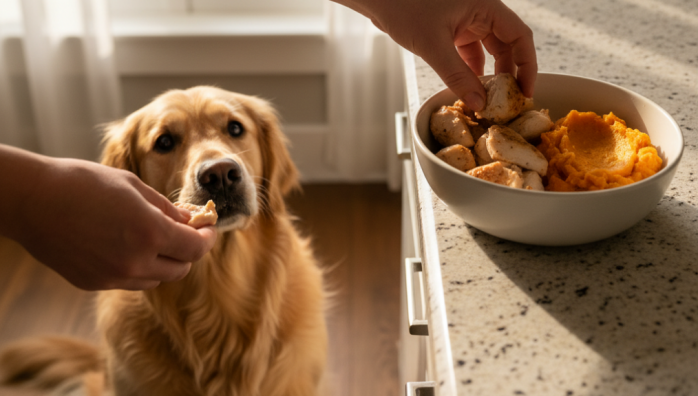
I remember the endless frustration. My sweet rescue, a mixed-breed dog I adored, was constantly scratching. We dealt with recurring ear infections and intermittent tummy troubles that just wouldn\'t quit. I switched his food multiple times, trying every “sensitive stomach” formula on the shelf. Nothing worked, and I felt like I was failing him. It wasn\'t until I had a long chat with my veterinarian that we landed on the idea of a strict elimination diet. Honestly, it sounded daunting, but it turned out to be the breakthrough we desperately needed.
What exactly is an elimination diet?
At its core, an elimination diet is a diagnostic tool, not a forever food plan. The goal is simple: remove all potential food allergens and irritants from your pet\'s diet to see if their symptoms improve. If they do, you\'ve confirmed that food is the culprit. You then slowly reintroduce ingredients one by one to pinpoint the exact trigger. It requires patience and military-grade strictness, but the clarity it provides is invaluable.
The first subtle signs I almost missed
Looking back, the signs were there long before the major flare-ups. It started with subtle but persistent paw licking. Then, a faint, yeasty smell from his ears that I initially dismissed. The digestive upset wasn\'t constant, just occasional bouts of loose stool that I chalked up to him eating something strange in the yard. It was the combination of these small, seemingly unrelated issues that pointed my vet toward a potential food sensitivity.
How to approach an elimination diet the right way
This is a journey you absolutely should not take alone. My first and most important step was getting my vet on board to supervise the process. They helped me choose the right food and ruled out other medical issues first. This is just what worked for us, and I always recommend a thorough vet consultation before making any major dietary changes.
- Choose a novel protein and carbohydrate. This means selecting ingredients your pet has likely never eaten before. For us, that was a prescription diet based on kangaroo and oats. Common choices include duck, rabbit, or venison paired with potato, sweet potato, or peas. The idea is that your pet can\'t be allergic to something they\'ve never been exposed to.
- Be 100% strict for 8-12 weeks. This was the hardest part. Absolutely nothing else can pass their lips. No treats, no dental chews, no table scraps, no flavored toothpaste, and no flavored medications. I had to coordinate with everyone in the household to make sure we were all on the same page. A single slip-up can derail the entire trial.
- Keep a detailed journal. I tracked his symptoms daily. I noted the condition of his skin, the frequency of scratching, the quality of his stool, and his overall energy levels. This journal was crucial when we started reintroducing foods later.
The reintroduction phase: finding the culprit
After about 10 weeks, my dog was like a new animal. His coat was shiny, the scratching had stopped, and his digestion was perfect. This meant the diet was working! Now came the challenge phase. Under my vet\'s guidance, I started reintroducing his old food ingredients, one at a time. We started with chicken. For two weeks, I added a small amount of plain, cooked chicken to his elimination diet food. The itching and tummy troubles returned within days. We had found our trigger. We stopped the chicken, let his system calm down, and later tested beef, which he tolerated just fine.
My big mistake to avoid
Early on, I got impatient. I thought a few days of a new ingredient was enough to see a reaction. It\'s not. It can take days or even a couple of weeks for a sensitivity to show itself. Rushing the reintroduction phase can muddy the waters and force you to start all over again. Slow and steady is the only way to get clear results.
Life after identifying the sensitivity
Today, life is so much simpler. We know to avoid all chicken-based foods and treats. It means I\'ve become an expert label-reader, as chicken and chicken meal are incredibly common in pet products. But seeing my dog happy, comfortable, and healthy is worth every bit of the effort. The elimination diet was a temporary challenge, but it gave us a permanent solution and peace of mind.