Assembling a Pet Emergency First Aid Kit
by admin in Pet Care Basics 211 - Last Update November 30, 2025
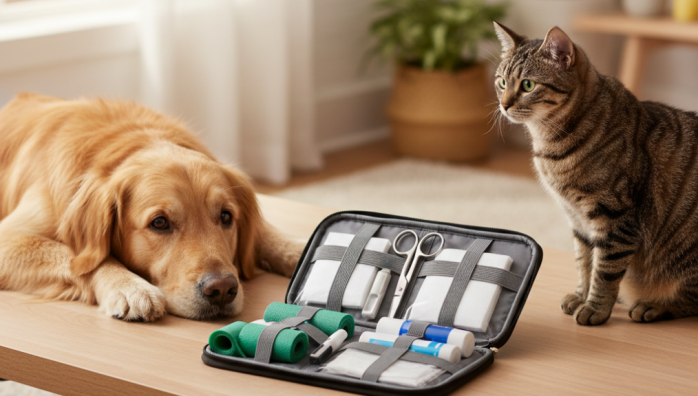
I\'ll never forget the moment my dog, a clumsy but lovable Lab mix, cut his paw on a piece of glass during a hike. We were miles from the car, and I felt a wave of pure panic. I had nothing to clean the wound, nothing to wrap it with. That helpless feeling was a wake-up call, and it’s the reason I’m so passionate about every pet owner having a well-stocked emergency kit. It’s not about expecting the worst; it\'s about being empowered to handle the unexpected with confidence and care.
Why pre-made kits sometimes miss the mark
You can buy pre-assembled pet first aid kits, and they\'re certainly better than nothing. I even started with one myself. But after years of experience, I’ve found they often contain low-quality items or miss essentials tailored to my own pets. They\'re a great starting point, but building your own allows you to include higher-quality supplies and items specific to your pet’s needs, like special medications or tools for a long-haired breed.
The essential checklist: what\'s in my kit
Over the years, I\'ve refined my kit into something I trust completely. Here\'s a breakdown of what I consider non-negotiable, based on countless conversations with my vet and a few minor emergencies of my own.
Wound care and cleaning
This is the section you\'ll likely use most for minor scrapes and cuts. Being able to properly clean and protect a wound is your first line of defense against infection.
- Saline solution: For flushing out debris from wounds or eyes. It\'s much safer and more effective than plain water.
- Antiseptic wipes: Choose a non-stinging, pet-safe formula (like chlorhexidine) to clean the area around a wound.
- Gauze pads and rolls: For covering wounds and absorbing blood. Get a variety of sizes.
- Non-stick adhesive pads: These are crucial. You don\'t want the bandage sticking to the wound itself.
- Self-adhering elastic bandages (Vet Wrap): This stuff is fantastic. It sticks to itself but not to fur, making it easy to secure a bandage without pulling on your pet\'s coat.
Tools and supplies
Having the right tools can make a stressful situation much more manageable. I learned this the hard way when I tried to use regular scissors near a scared pet—never again.
- Blunt-nosed scissors: For cutting bandages or carefully trimming fur away from a wound without risk of poking your pet.
- Tweezers: For removing splinters, thorns, or ticks.
- A digital rectal thermometer: You need one specifically for your pet. Knowing their baseline temperature and being able to check for a fever is vital information for your vet.
- A styptic pen or powder: To quickly stop bleeding from a minor cut, like a clipped toenail.
- A small flashlight or headlamp: To get a better look at a wound or inside your pet\'s mouth.
Important information and documents
In a true emergency, you won\'t have time to search for phone numbers. I keep a waterproof, laminated card right at the top of my kit with the following:
- Your vet\'s regular and after-hours phone number.
- The number for the nearest 24/7 emergency animal hospital.
- The Pet Poison Helpline number (a service fee may apply, but it\'s worth it).
- A copy of your pet\'s vaccination records and a list of any chronic conditions or allergies.
A final thought on being prepared
My hope is that you’ll only ever need your kit for a minor scrape or a splinter. But the peace of mind that comes from knowing you have the tools to help your furry family member is immeasurable. Take an hour this weekend to put one together. It\'s a simple act of love that could make all the difference when it matters most. And remember, a first aid kit is for stabilizing your pet on the way to the vet; it\'s never a replacement for professional veterinary care.